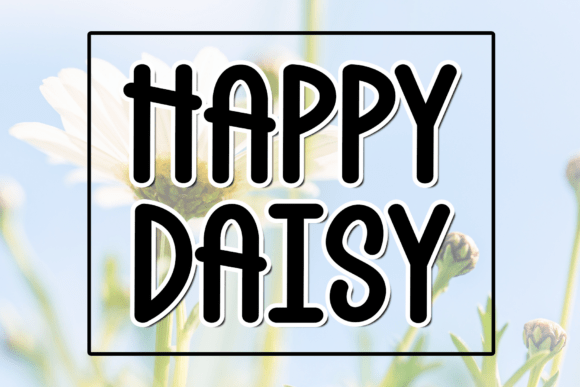
Happy Daisy Font for Elegant Design
Happy Daisy is a sophisticated and fluid script font designed to bring a graceful, hand-penned touch to contemporary creative projects. As a Display font, it offers a unique blend of modern typography and traditional craftsmanship, making it ideal for editorial design, branding, and visual storytelling. Whether you're crafting a blog header or designing a magazine cover, Happy Daisy adds a refined aesthetic that elevates your content.
Happy Daisy for Magazine Covers and Editorial Branding
Happy Daisy is a powerful tool for editorial designers looking to create visually compelling magazine covers. Its vertically elongated letterforms and flowing strokes add a sense of movement and elegance, perfect for headlines that demand attention. When used in combination with a clean serif or sans serif font for body text, Happy Daisy helps establish a strong visual hierarchy that guides readers through the content.
For publication branding, Happy Daisy can serve as a signature typeface that defines the tone and personality of a magazine or online publication. Its handwritten quality gives a personal, authentic feel, which is especially effective for lifestyle, fashion, or wellness-focused content. Pairing it with a neutral background and minimalist layout ensures that the font remains the focal point without overwhelming the reader.
Happy Daisy for Blog Headers and Article Layouts
Bloggers and content creators often rely on fonts like Happy Daisy to make their article headers stand out. The font’s fluidity and grace make it an excellent choice for headings that reflect a thoughtful, artistic approach. Whether you're writing about mindfulness, travel, or creative processes, Happy Daisy adds a touch of sophistication that complements the content's tone.
In article layouts, Happy Daisy works best as a headline or subheading rather than for long blocks of text. Its intricate details and stylized forms are not optimized for readability in extended paragraphs. Instead, use it to highlight key sections, introduce new topics, or emphasize important quotes within the text. This strategic placement enhances the overall readability of the page while maintaining a cohesive design.
Happy Daisy for Quote Graphics and Social Media Visuals
Happy Daisy shines when used in quote graphics and social media visuals. Its elegant curves and expressive letterforms make it ideal for creating eye-catching posts that resonate with audiences. Whether you're sharing motivational quotes, book recommendations, or brand messaging, the font adds a personal and artistic flair that stands out on platforms like Instagram, Pinterest, or Facebook.
For printable materials such as worksheets, planners, or lead magnets, Happy Daisy provides a stylish yet readable option for titles and section headers. Its vertical elongation allows for more text to fit in a compact space, making it practical for digital downloads and physical printables alike. When paired with a simple, modern sans serif font for body copy, it creates a balanced and professional look that appeals to a wide audience.
Happy Daisy for Wedding Invitations and Event Branding
Happy Daisy is particularly well-suited for wedding invitations and event branding. Its hand-penned style evokes a sense of warmth and intimacy, making it a popular choice for couples looking to personalize their special day. The font’s versatility allows it to be used for main titles, guest names, dates, and other key details, all while maintaining a cohesive and elegant design.
Event planners and designers can also leverage Happy Daisy for branding materials such as brochures, signage, and digital invitations. Its ability to convey both sophistication and charm makes it an excellent choice for weddings, baby showers, or corporate events. By incorporating the font into multiple elements of the event, designers can create a unified and memorable experience for attendees.
Happy Daisy for Ebook Titles and Digital Publications
For ebook creators and digital publishers, Happy Daisy is an invaluable asset when designing titles and cover art. Its stylish appearance draws readers in and sets the tone for the content within. Whether you're writing a self-help guide, a recipe collection, or a creative writing course, the font adds a professional and polished look that enhances the overall appeal of the publication.
When used in digital publications such as newsletters or online magazines, Happy Daisy can be employed for section headers, pull quotes, or featured content. Its legibility on screens and in PDF formats ensures that the font remains clear and easy to read across different devices. For best results, pair it with a clean, readable font for body text to maintain balance and accessibility.
Happy Daisy for Coaching Workbooks and Printable Guides
Coaches, educators, and content creators often turn to Happy Daisy when designing workbooks, printable guides, and self-study materials. Its handwritten style adds a personal and encouraging touch, making it ideal for motivational content, journaling prompts, or step-by-step instructions. The font’s vertical elongation allows for more text to fit neatly on a page, which is especially useful for printable resources that need to be both functional and aesthetically pleasing.
When using Happy Daisy in workbooks or guides, it’s important to consider the font’s readability in printed formats. Ensure that the font size and spacing are appropriate for the intended use, whether it’s for daily reference or occasional reading. Combining it with a simple, clean font for instructions or explanations helps maintain clarity and usability.
Happy Daisy for Content Branding and Visual Identity
Content brands and independent creators can use Happy Daisy to build a strong visual identity across their platforms. From newsletter headers to website banners, the font adds a distinctive and recognizable element that reinforces brand consistency. Its elegant style aligns well with brands that prioritize creativity, authenticity, and a personal connection with their audience.
When developing a brand identity, consider how Happy Daisy fits into the overall design language. It works best when paired with complementary fonts that enhance its visual appeal without competing for attention. A serif font for body text or a sans serif font for captions and navigation can provide contrast and balance, ensuring that the font remains a standout feature without overshadowing other design elements.
Happy Daisy for Commercial Use and Licensing
For commercial use, Happy Daisy is a versatile and reliable choice. It is suitable for ebooks, templates, printables, paid newsletters, client publications, and digital downloads. Before using the font in a commercial project, ensure that the licensing terms allow for the intended use, as this can vary between font providers.
Understanding the licensing structure is essential for creators who want to avoid legal issues. Some fonts require separate licenses for different types of use, so always review the terms carefully. With proper licensing, Happy Daisy can be a valuable addition to any creative toolkit, offering both aesthetic appeal and practical functionality across a wide range of projects.